Why a Dividend ETF Monthly Passive Income Strategy Is Trending Right Now
A dividend ETF monthly passive income strategy sounds almost too simple: buy a fund, collect checks, repeat. Yahoo Finance's recent breakdown of a high-yield dividend ETF sparked renewed interest because it does something most financial content skips — it shows the actual math. Not vague promises of "financial freedom," but real numbers: yield percentages, share prices, and the capital required to hit a specific dollar target.
That specificity matters. Most investors aged 25-45 aren't chasing abstract wealth — they're trying to answer one question: how much money do I actually need to replace a car payment, a mortgage installment, or a chunk of my grocery bill with dividends? This article answers that with precision, using the same framework as the trending piece but going deeper into the assumptions, risks, and realistic timelines that got glossed over.
The Core Math Behind $1,000 a Month in Dividends
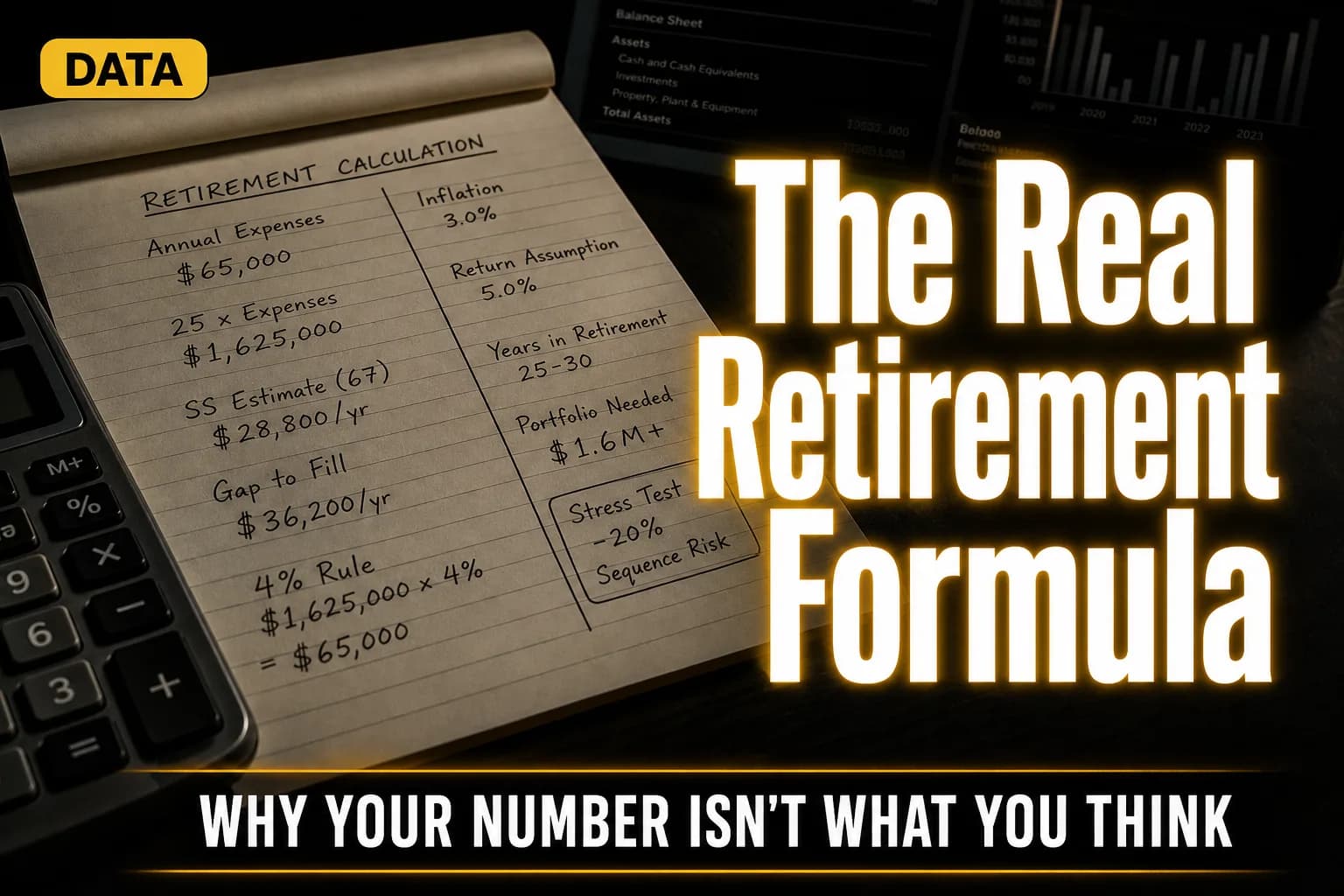
Let's start with the formula every investor needs memorized: Annual income needed ÷ dividend yield = required investment.
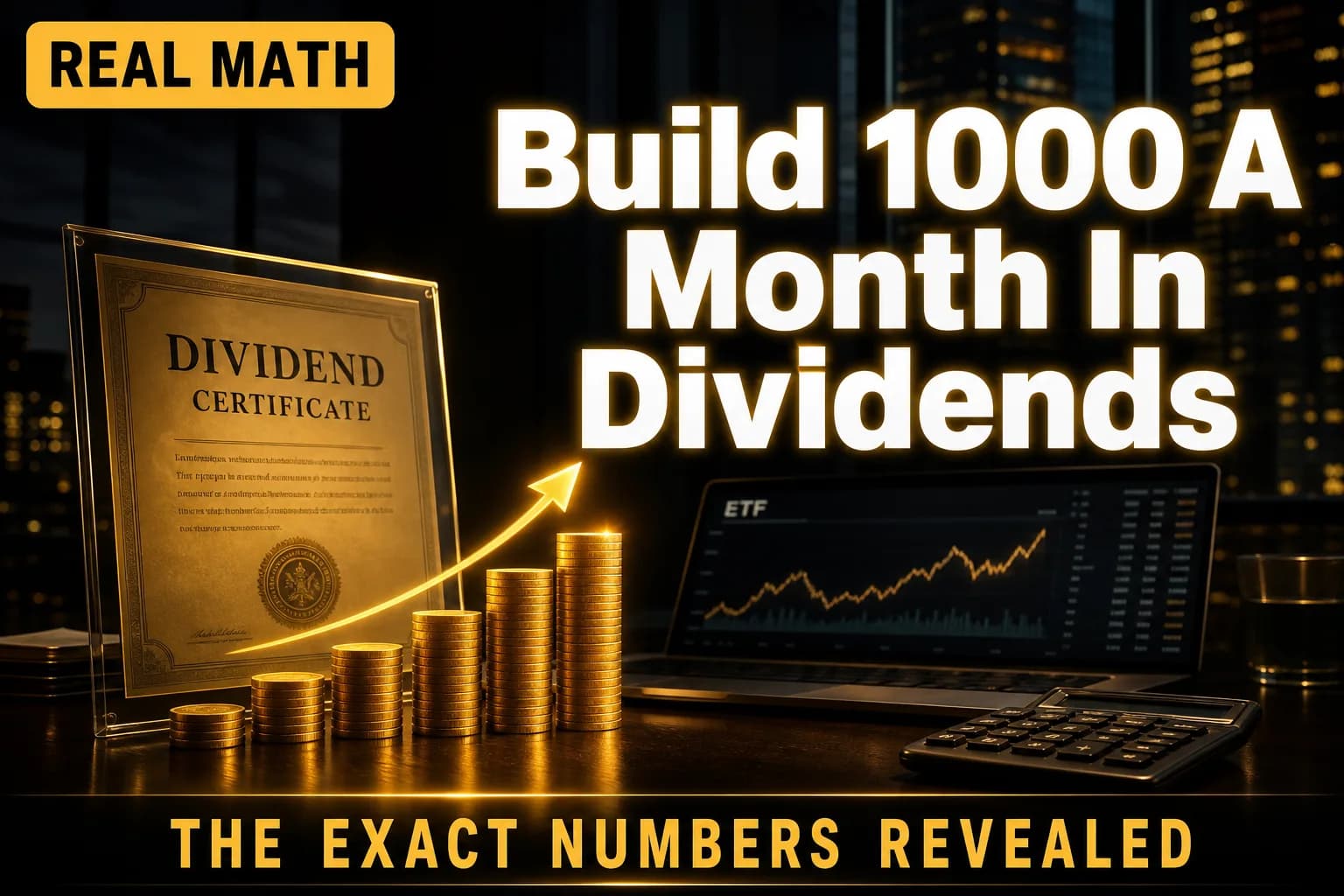
To generate $1,000 per month, you need $12,000 per year in dividend income. If you're looking at a high-yield dividend ETF like the JPMorgan Equity Premium Income ETF (JEPI) or the Global X SuperDividend ETF (SDIV), yields have recently ranged from 7% to 12%, depending on market conditions and the fund's options-writing strategy.
Here's how the capital requirement shifts based on yield:
- 7% yield: You need approximately $171,400 invested
- 9% yield: You need approximately $133,300 invested
- 12% yield: You need approximately $100,000 invested
Compare that to a lower-yield, more traditional dividend ETF like the Schwab U.S. Dividend Equity ETF (SCHD), which yields closer to 3.5%. To hit the same $1,000 monthly target with SCHD, you'd need roughly $342,900 invested — more than triple the capital of a high-yield alternative.

stack of dollar bills growing.
Why Higher Yield Isn't Automatically Better
This is where most trending articles stop, but it's where the real analysis begins. A 12% yield sounds like a shortcut, but yield and risk move together almost every time in the ETF world.
Funds like SDIV and other high-yield dividend ETFs often achieve their outsized payouts through covered call strategies, global small-cap exposure, or leverage — all of which introduce volatility that a 3.5%-yielding blue-chip fund like SCHD simply doesn't carry. Total return, not just yield, determines whether your $1,000/month stream survives a downturn.
A fund yielding 12% that loses 15% of its share price in a bad year hasn't actually made you money — it's returned some of your own capital disguised as income. This is a critical distinction financial advisors call "yield trap" risk, and it's the single biggest blind spot in most passive income content circulating right now.
Balancing Yield and Stability in Your Dividend ETF Choice
A more resilient approach blends both. Consider splitting capital across:
- A core holding like SCHD or the Vanguard Dividend Appreciation ETF (VIG) for capital stability and dividend growth history
- A high-yield satellite like JEPI or JEPQ for immediate cash flow
- A monthly-paying REIT ETF like the Real Estate Select Sector SPDR (XLRE) for diversification outside equities
This mix can realistically land you in the 5% to 7% blended yield range — enough to meaningfully shrink the capital requirement without betting the farm on unsustainable payouts.
Realistic Timelines: How Long Does This Actually Take?
Here's the part the hype cycle conveniently skips. Very few people have $130,000-$340,000 in immediate cash lying around to deploy into a dividend ETF monthly passive income portfolio. So the real question is: how fast can you get there through consistent investing?
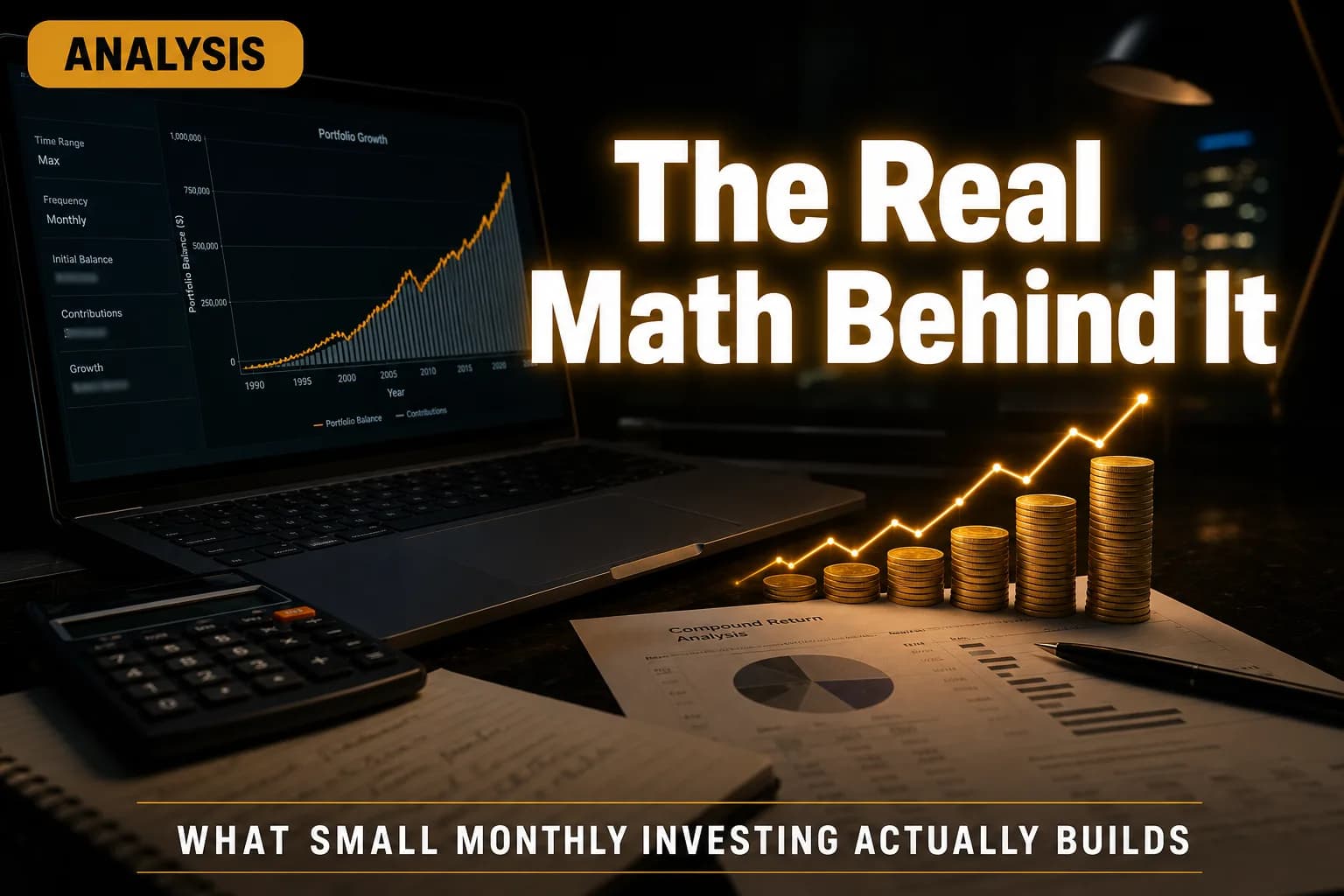
Assume you're starting from zero and investing $1,000 per month into a blended portfolio yielding 6%, with dividends reinvested and an average annual price appreciation of 6% (a conservative blend of SCHD's historical performance).
- Year 5: Portfolio value around $71,000 — generating roughly $355/month
- Year 10: Portfolio value around $166,000 — generating roughly $830/month
- Year 12-13: Crosses the $1,000/month threshold

calendar showing years passing.